

Why Business Expense Tracking Has Become Mission-Critical
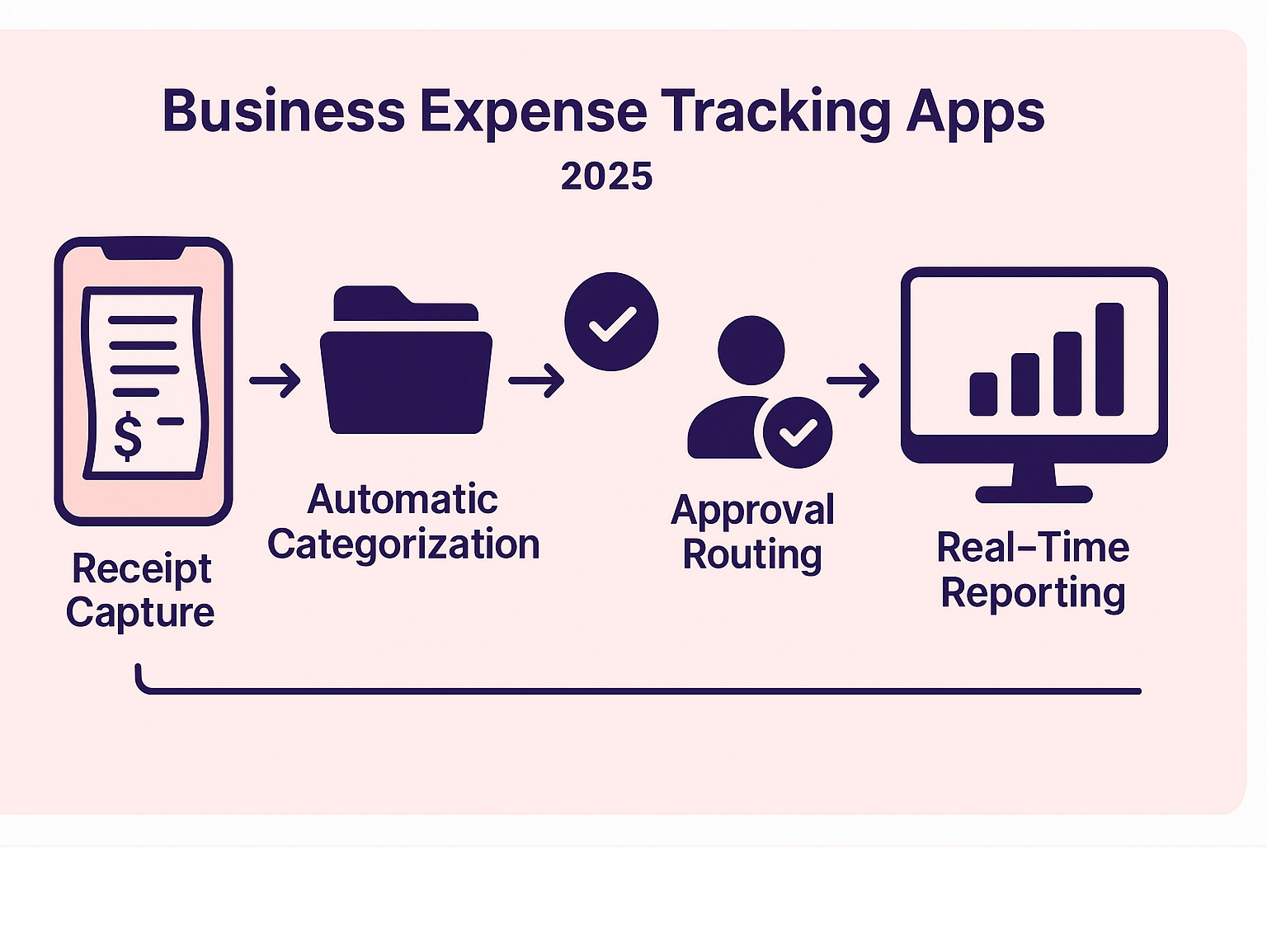
Business expense tracking apps are digital tools that automate receipt capture, categorize spending, and streamline reimbursement workflows for companies of all sizes. Here are a few standout options you’ll typically encounter:
Best Business Expense Tracking Apps (Generic Overview):
– AI-Powered Receipt Scanner – a platform used by millions worldwide that turns paper receipts into structured data in seconds
– All-in-One Accounting Suite – cloud-based bookkeeping software that bakes expense tracking into a full general-ledger system
– Budget-Friendly Starter Plan – free for very small teams and includes automated approval workflows
– Enterprise-Grade T&E Manager – robust travel booking and expense controls built for large organizations
– Mobile-First Scanner – focuses on lightning-fast OCR and easy export to spreadsheets or accounting tools
Employee spend ranks as the second largest controllable expense for most companies, yet 53% of small businesses still struggle with manual data entry. The numbers tell a stark story: manual expense reports can take hours to complete, while leading automated solutions cut processing time by as much as 83%.
“Let’s be honest, it’s hard to get excited about expense tracking software,” notes one industry expert. But here’s the reality – poor visibility into spending patterns affects 33% of small businesses, and 30% face frequent policy non-compliance issues.
The shift from spreadsheets to dedicated apps isn’t just about convenience. It’s about survival. When receipts pile up on desks and reimbursements drag on for weeks, cash flow suffers and employees get frustrated.
Modern expense apps solve these headaches through receipt scanning technology, real-time bank syncing, and automated categorization. They turn a painful monthly task into a few taps on your phone.
Business expense tracking apps word roundup:
– CRM software small business
– HR software for startups
Why Ditch Spreadsheets for Automated Expense Tracking
Let’s paint a picture you’ll probably recognize. It’s month-end, and you’re sitting at your desk with a pile of crumpled receipts that looks like confetti from last week’s office party. That mysterious $47.82 charge from three weeks ago? You’re scratching your head trying to remember if it was lunch with a client or gas for the company car.
Sound familiar? You’re not alone in this paper receipt nightmare.
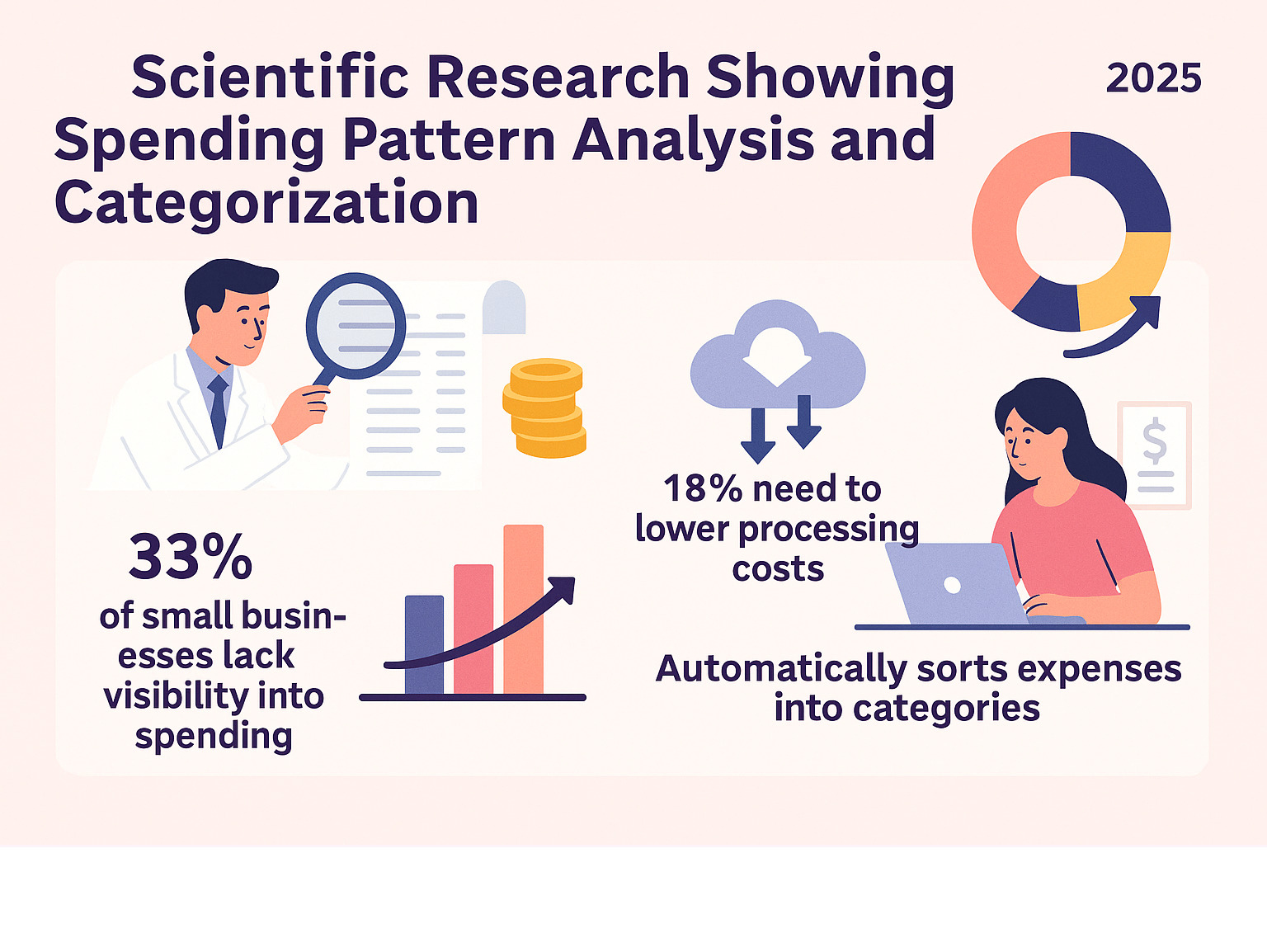
The numbers tell a sobering story about how manual data entry is quietly sabotaging businesses everywhere. According to scientific research on spending patterns, businesses generate massive amounts of paper receipts daily. Yet here we are, still manually typing numbers into spreadsheets like it’s 1995.
Visibility gaps plague 33% of small businesses because they can’t see their spending patterns in real-time. When you’re flying blind on cash flow decisions, you’re essentially playing financial Russian roulette with your business.
Policy compliance becomes nearly impossible to enforce manually. About 30% of companies face frequent compliance issues because there’s no automatic way to catch when someone exceeds spending limits or buys something against company policy.
The audit trail situation gets even messier. Try explaining to an auditor why half your receipts are faded beyond recognition and the other half are missing entirely.
Processing costs hit harder than most business owners realize. Research shows 18% of small businesses desperately need to reduce expense-processing costs, while 13% cite lengthy reimbursement times as a major headache.
How business expense tracking apps replace manual workflows
Here’s where business expense tracking apps swoop in like financial superheroes to save the day. These digital tools don’t just digitize your current mess – they completely transform how expense management works.
OCR scanning technology reads receipt data instantly, pulling out merchant names, amounts, dates, and tax information faster than you can say “business lunch.” Even those faded receipts that look like they’ve been through a washing machine become readable again.
Bank feeds work like having a financial assistant who never sleeps. Your credit card and bank transactions flow automatically into the app, eliminating the need to manually type in purchase amounts.
Cloud sync means your expense data follows you everywhere. Snap a receipt photo at the airport, and it’s instantly available on your laptop back at the office.
AI categorization gets smarter the more you use it. The system learns that your weekly trip to Office Depot goes under “supplies” and your monthly software subscription belongs in “technology expenses.”
Impact on tax deductions and regulatory compliance
Smart expense tracking directly impacts your bottom line through deduction maximization. Apps automatically assign tax categories to expenses, ensuring you capture every legitimate write-off.
Audit readiness becomes effortless instead of panic-inducing. Every expense comes with a complete digital paper trail – timestamps, GPS locations, and crystal-clear receipt images.
Digital receipts solve the age-old problem of paper receipts fading into illegible smudges. High-resolution images stay crisp for years, meeting IRS requirements while giving you peace of mind.
Mileage logs get automated through GPS tracking, capturing business trips without the hassle of manual logbooks. Since vehicle expenses often represent significant deductions for small businesses, this feature alone can save you hundreds or thousands in missed deductions.
Best Business Expense Tracking Apps at a Glance
The world of business expense tracking apps can feel overwhelming when you’re trying to pick the right solution. Think of it like choosing a car – you could go with a fully loaded luxury model, a practical everyday vehicle, or something specialized for specific terrain.
We’ve spent countless hours testing these platforms, reading user reviews, and analyzing real-world performance. The good news? There’s genuinely something for every business size and budget.
All-in-One Accounting Suites
A leading cloud accounting suite often tops review lists for small businesses. What makes this category shine is how it seamlessly blends expense tracking with full accounting features. Your bank sync happens automatically – no more manually typing in transaction details. The built-in invoicing system lets you bill clients directly from the same platform where you track expenses, and the cash-flow planner shows you what’s coming down the financial pipeline.
The real-time reports give you those “aha!” moments when you see exactly where your money goes. Plus, smart benchmarking compares your spending to similar businesses.
Receipt-First Mobile Scanners
If all you really need is a super-fast receipt scanner, a mobile-first app in this category might be your best bet. Users consistently rave about the autoscan speed, and it handles even faded, crumpled receipts that have been living in your wallet for weeks. Offline capture means you can keep scanning when the connection drops, and bulk-upload is a lifesaver when you’ve procrastinated.
Corporate Card & Spend-Management Platforms
Some expense tools bundle their own corporate or virtual cards. Real-time limits prevent overspending before it happens, and a sophisticated policy engine flags violations instantly rather than weeks later. Combined with next-day reimbursements, these features keep employees happy while protecting company cash flow.
Mileage & Travel-Focused Trackers
Freelancers and frequent travelers often prefer lightweight tools that specialize in GPS mileage logging, per-diem calculations, and auto-generated itineraries. Multi-currency support is especially valuable for international trips.
Must-Have Features in Business Expense Tracking Apps
Choosing the right expense tracking app feels a bit like dating – you need to look beyond the flashy exterior to find features that actually matter for your business. After testing dozens of platforms, we’ve identified the core capabilities that separate the champions from the also-rans.
AI categorization stands out as the game-changer that transforms tedious manual work into effortless automation. The best systems learn your spending patterns and achieve over 90% accuracy after just a few weeks of use. Instead of manually sorting every coffee purchase and office supply receipt, the app does the heavy lifting while you focus on growing your business.
Receipt OCR technology needs to handle real-world conditions – not just perfect laboratory shots. Your app should extract merchant names, amounts, dates, and tax information from crumpled receipts, faded thermal paper, and those annoyingly small restaurant tabs. The top performers can even pull line items from detailed receipts, giving you granular expense breakdowns.
Approval workflows must flex to match your organization’s unique structure. Whether you need simple manager approval or complex multi-level routing based on amount thresholds and departments, the system should adapt to your processes – not force you to change how you work.
Integrations keep your financial ecosystem humming smoothly. The leading apps connect with 45+ accounting, payroll, and business software solutions, eliminating the dreaded double data entry that wastes hours each month. When expenses flow automatically from capture to your general ledger, you’ll wonder how you ever managed without it.
Mobile UX makes or breaks user adoption faster than any other factor. If your team can’t easily snap receipts and submit expenses on their phones, even the most feature-rich platform will collect digital dust. The interface needs to be intuitive enough that employees actually want to use it.
For more insights on streamlining your business operations, check out our comprehensive guide on Automation Tools for Business.
Security standards in business expense tracking apps
Let’s talk about the elephant in the room – business expense tracking apps handle your most sensitive financial data, from employee spending patterns to company credit card information. Security isn’t just a nice-to-have feature; it’s absolutely mission-critical.
SOC 2 compliance serves as your first line of defense, ensuring vendors follow strict security protocols for data handling, processing, and storage. This certification requires annual audits by independent security firms, so you’re not just taking the vendor’s word for their security measures.
GDPR compliance demonstrates robust data protection practices, even if you’re not operating in Europe. When a vendor meets these stringent European privacy standards, you can trust they’re serious about protecting your information.
256-bit SSL encryption secures data transmission between your devices and the vendor’s servers using military-grade protection. This makes intercepted data virtually impossible to decode, keeping your financial information safe from prying eyes.
Role-based access controls ensure the right people see the right information. Your finance manager might need visibility into all company expenses, while individual employees should only access their own submissions. This granular control prevents data breaches and maintains confidentiality.
Integrations that keep finance data in sync
The best expense apps don’t operate in isolation – they serve as central hubs connecting your entire business software ecosystem. This seamless integration eliminates the manual data shuffling that drives finance teams crazy.
API connectors enable real-time synchronization with major accounting platforms like QuickBooks, Xero, NetSuite, and Sage Intacct. Expenses flow automatically into your general ledger without tedious export/import processes that eat up valuable time and introduce errors.
ERP links connect expense data with broader enterprise resource planning systems, providing comprehensive business intelligence across all departments. When your expense data integrates with project management and customer relationship tools, you get powerful insights into profitability and resource allocation.
Payroll feeds ensure reimbursements integrate seamlessly with regular payroll processing. This reduces administrative overhead and keeps employees happy with timely payments – no more waiting weeks for expense reimbursements.
Cloud storage integration with platforms like Google Drive, Dropbox, or OneDrive automatically backs up receipt images and expense reports. Your data stays accessible across your organization while maintaining proper backup procedures.
Mobile and on-the-go functionality
Modern business happens everywhere except the traditional office, making mobile functionality absolutely essential for expense tracking success. Your team needs tools that work as hard as they do, wherever they are.
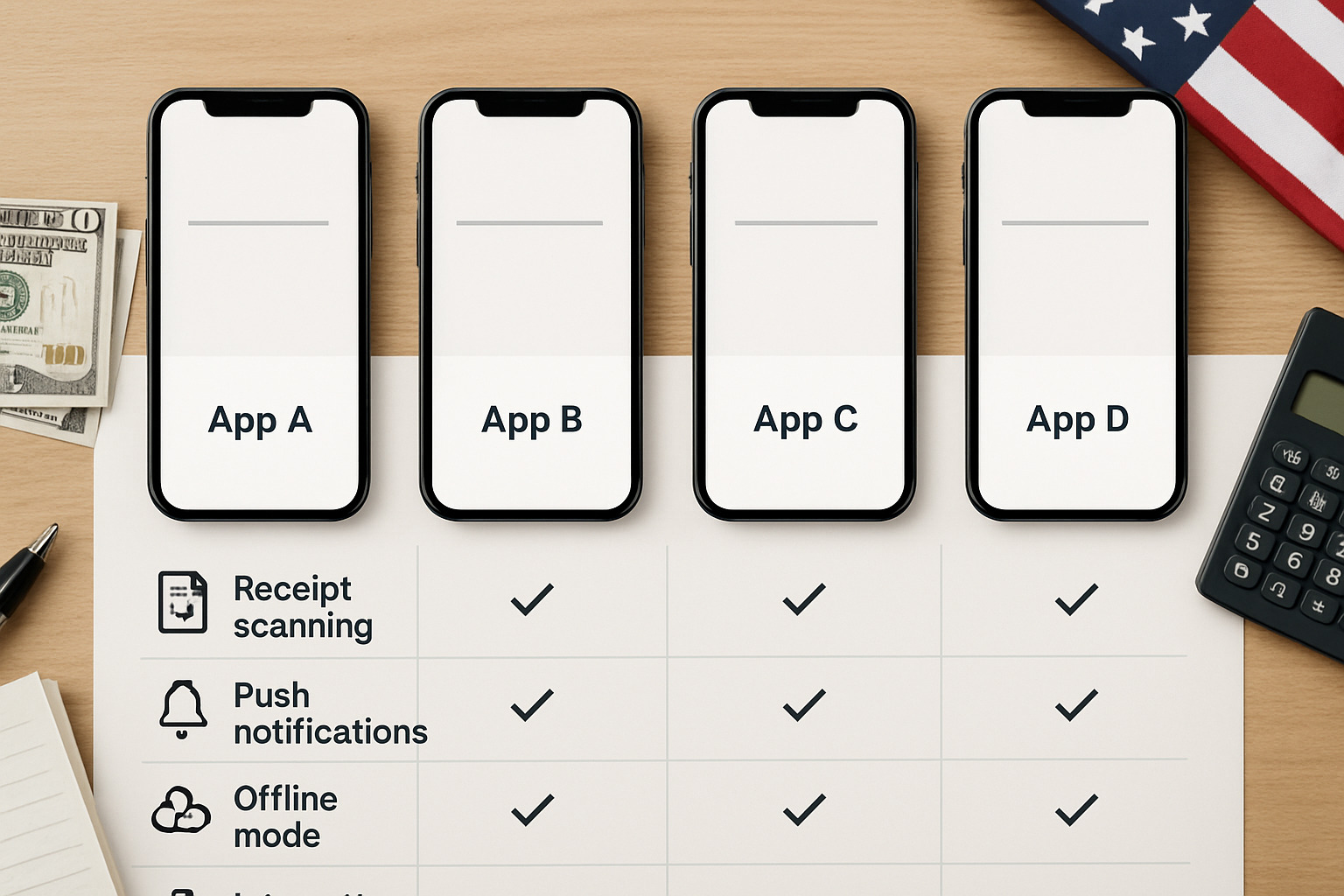
Push alerts keep the approval process moving by notifying managers of pending expenses and updating employees on status changes. Real-time notifications eliminate the bottlenecks that used to plague manual systems.
Offline mode allows receipt capture and expense entry even without internet connectivity. Whether your team is traveling through dead zones or working in buildings with poor signal, they can still document expenses. Data syncs automatically when connection returns.
Geo-fencing automatically detects when employees enter client locations or business venues, prompting timely expense entry for accurate project tracking. This smart feature reduces forgotten expenses and improves billing accuracy.
Quick-scan capabilities let users capture multiple receipts rapidly, with bulk upload and processing for efficient expense submission. When you’re dealing with a stack of receipts from a business trip, this feature saves significant time and frustration.
Choosing the Right Solution for Your Small Business
Finding the perfect business expense tracking apps for your business doesn’t have to feel overwhelming. Think of it like buying a car – you wouldn’t choose a pickup truck if you only drive city streets, and you wouldn’t pick a sports car if you need to haul equipment daily.
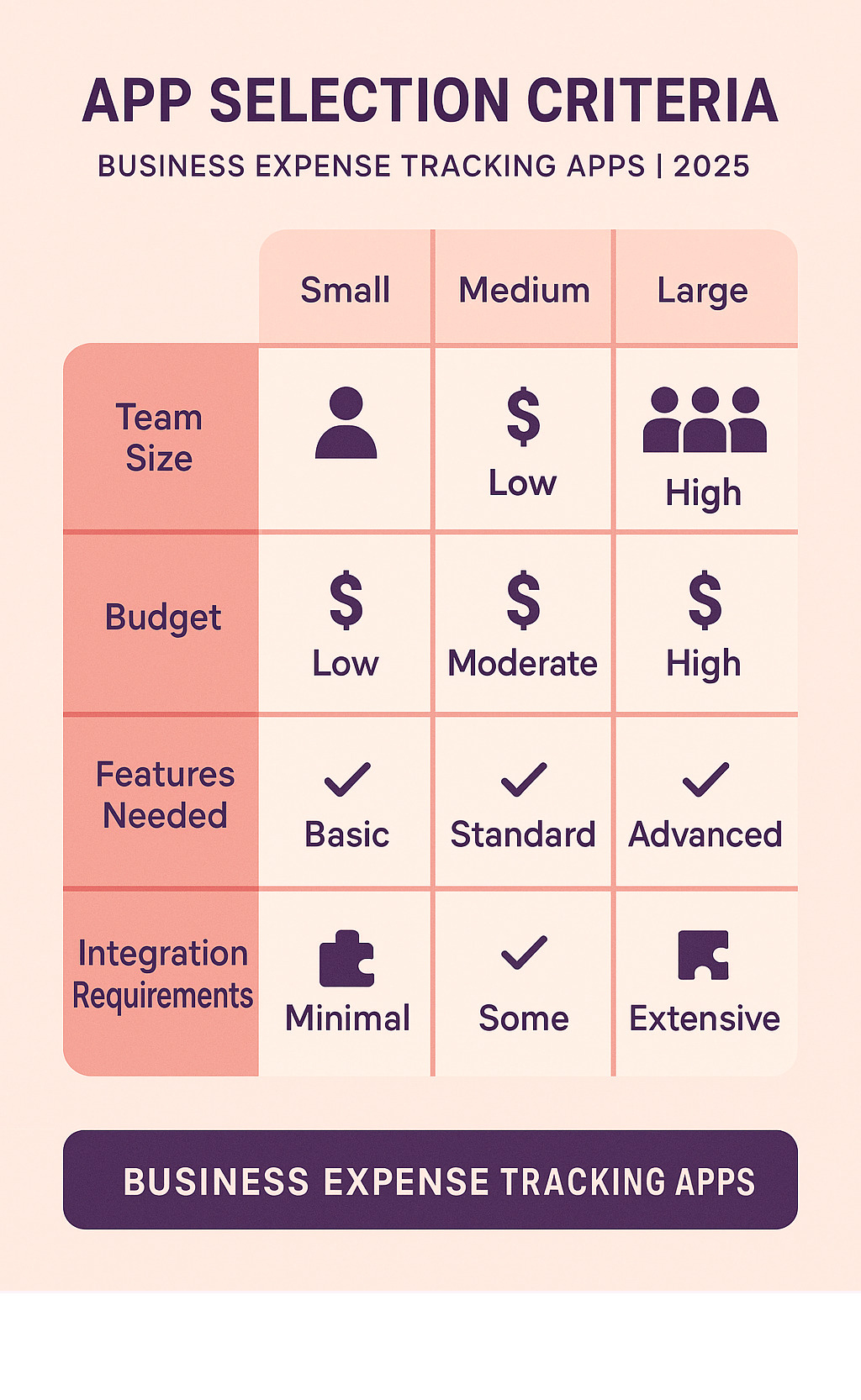
Your team size is the biggest factor in determining what you actually need. If you’re a solo entrepreneur, you probably don’t need complex approval workflows. But if you’re managing a team of 20 people, you’ll want robust user management and detailed reporting capabilities.
Spend volume directly impacts which pricing structure makes financial sense. Processing just a few receipts monthly? A per-transaction fee might work fine. But if you’re handling hundreds of expenses, those transaction fees can quickly balloon beyond a flat monthly subscription cost.
Different industries have wildly different needs. A construction company needs GPS mileage tracking for job sites, while a consulting firm might prioritize client project categorization.
Budget considerations go beyond the monthly subscription fee. Factor in training time, potential productivity dips during transition, and any integration costs with existing systems.
The onboarding process can make or break your success. We’ve seen businesses abandon perfectly good software because the learning curve was too steep. Look for solutions with intuitive interfaces, helpful tutorials, and responsive customer support.
For more guidance on managing business finances effectively, check out our comprehensive guide on Business Budgeting for Beginners.
Step-by-step evaluation checklist
Start with an honest needs analysis of your current situation. Are receipts piling up on desks? Do employees complain about slow reimbursements? Write down your specific pain points before looking at any software.
Shortlist apps that directly address your documented problems. It’s tempting to get excited about fancy AI features, but if your main issue is simply organizing paper receipts, focus on solutions with excellent mobile scanning capabilities.
Take advantage of free trials from every app on your shortlist. Most vendors offer 14-30 day trials, which gives you time to test with real business expenses.
Run a pilot test with your top choice before rolling it out company-wide. Pick a small group of willing participants and have them use the system for a full month.
Getting stakeholder buy-in throughout the process ensures long-term success. Include input from your finance team, managers who’ll approve expenses, and the employees who’ll actually use the system daily.
Common challenges & workarounds
Scan delays can kill user enthusiasm fast. Nothing’s more frustrating than standing in a parking lot waiting for an app to process a receipt. Choose solutions with fast OCR processing, or look for apps that let you continue working while scanning happens in the background.
User adoption problems usually stem from interfaces that are too complex or mobile apps that don’t work smoothly. A simple app that everyone actually uses beats a feature-rich system that sits unused.
Policy tuning requires patience and ongoing refinement. Start with basic spending rules and gradually add complexity based on real-world situations.
Data migration from spreadsheets or old systems can be tricky. Plan for an overlap period where both old and new systems run simultaneously.
Frequently Asked Questions about Business Expense Tracking Apps
Let’s address the burning questions that keep business owners up at night when they’re considering making the leap to automated expense tracking.
What does implementation typically cost?
Here’s the honest truth about costs – they’re all over the map, and that’s actually good news for your budget flexibility.
If you’re just starting out or running a micro-business, some apps offer free plans that won’t cost you a penny beyond the time you invest in setup. These basic tiers often cover everything a small team needs to get organized and ditch the shoebox full of receipts.
Most small businesses find their sweet spot in the $5-15 per user monthly range for comprehensive business expense tracking apps. This covers your software subscription, basic training, and standard integrations with your existing accounting software. The beautiful part? Most businesses see this investment pay for itself within 2-3 months through pure time savings and better expense visibility.
But let’s talk about those sneaky hidden costs that nobody warns you about. Data migration from your old system, custom integrations with specialized software, and extended training sessions can add up. We always recommend budgeting 10-20% above the quoted prices for these unexpected expenses.
The real question isn’t what it costs to implement – it’s what it costs not to implement. When you factor in the hours spent hunting down receipts, the missed tax deductions, and the employee frustration with slow reimbursements, most businesses find they’re already paying far more than any app subscription.
How do these tools speed up reimbursements?
Remember the days when expense reports disappeared into email black holes? Those days are officially over with modern expense tracking systems.
Automated approval workflows eliminate the human bottlenecks that plague traditional processes. Instead of expenses sitting in someone’s inbox while they’re on vacation or buried under other priorities, the system routes them automatically to the right approver based on rules you set up front.
Real-time visibility changes everything. Managers can approve expenses during their morning coffee instead of waiting for the monthly expense report marathon. We’ve seen countless businesses cut reimbursement times from 2-4 weeks down to just 2-3 days with this simple shift.
The real game-changer is direct bank integration. Many platforms can reimburse employees within one business day through ACH transfers. Imagine the employee satisfaction boost when people get their money back before they’ve even paid their credit card bill.
This speed isn’t just nice to have – it’s a competitive advantage. Happy employees stick around longer, and fast reimbursements show you respect their time and money.
Do I still need an accountant after adopting an app?
This question makes us smile because it shows you’re thinking strategically about your business operations.
The short answer is yes, but your relationship with your accountant is about to get a whole lot better. Business expense tracking apps complement professional accounting services rather than replacing them entirely.
Think of it this way – apps handle the tedious data entry and receipt organization that used to eat up hours of your accountant’s billable time. This frees them up to focus on the high-value stuff that actually grows your business: strategic tax planning, financial analysis, and business advisory services that software simply can’t provide.
Many business owners find they can work with their accountants more efficiently and cost-effectively once their expense data is already organized and categorized. Instead of paying your CPA to sort through shoeboxes of receipts, they can dive straight into meaningful financial insights and tax optimization strategies.
Your accountant will probably thank you for implementing an expense tracking system. Clean, organized data makes their job easier and lets them provide better service to your business. It’s a win-win situation that often strengthens the professional relationship while reducing overall accounting costs.
Conclusion
The days of wrestling with crumpled receipts and endless expense spreadsheets are officially over. Business expense tracking apps have evolved from nice-to-have tools into essential business infrastructure that can make or break your company’s financial health.
Think about it this way: you wouldn’t run your business without email or a phone system. Expense tracking deserves the same priority. When employee spend ranks as your second largest controllable expense, yet half of all businesses still fumble with manual data entry, the competitive advantage becomes crystal clear.
The change happens faster than you might expect. Companies adopting modern tools report up to 83% faster processing times within weeks of implementation. That’s not just efficiency – it’s hours of your life back every month.
But here’s what really matters: the peace of mind that comes with real-time visibility into your spending. No more wondering where your money went or scrambling to find receipts during tax season. Modern expense apps create an automated audit trail that makes compliance effortless and helps you find deductions you never knew existed.
Solo entrepreneurs often find the biggest relief in simple receipt-scanner solutions. When you’re wearing every hat in your business, anything that eliminates paperwork is a blessing.
Small teams typically thrive with flexible platforms that grow with them, adding approval workflows and policy enforcement as headcount expands.
Established businesses usually need robust integration capabilities and enterprise-grade security. When you’re managing complex approval hierarchies and need seamless accounting integration, look for platforms built to scale.
The secret to successful implementation isn’t choosing the fanciest app – it’s picking the one your team will actually accept. Start simple, focus on solving your biggest pain points first, and gradually add features as everyone gets comfortable with the new workflow.
The Entrepreneurs Expert Tip: Don’t overthink this decision. The best expense tracking app is the one that makes your daily life easier, not the one with the longest feature list. Trust your instincts during those free trials, and remember that switching costs are relatively low if you need to course-correct later.
Your future self will thank you for making this change. Imagine next month’s expense reports taking minutes instead of hours. Picture your team getting reimbursed in days instead of weeks. Think about walking into tax season with every receipt organized and categorized automatically.
The technology is ready. The question is: are you?
For more insights on leveraging technology to streamline your business operations, explore our comprehensive guide to tech tools that can accelerate your company’s growth.