Why Video Marketing is Indispensable for Real Estate
This guide to video marketing for real estate is your roadmap to success. To master it, focus on these core areas:
- Content Creation: Produce engaging videos for listings, neighborhoods, and your brand.
- Strategic Distribution: Share your videos across platforms like YouTube, TikTok, and social media.
- Audience Engagement: Build trust and connect with potential clients through authentic video stories.
- Measuring Impact: Track performance to continually improve your video marketing efforts.
The real estate landscape has shifted online, where buyers expect more than static photos. Video is now a must-have, as consumers are hooked on video content.
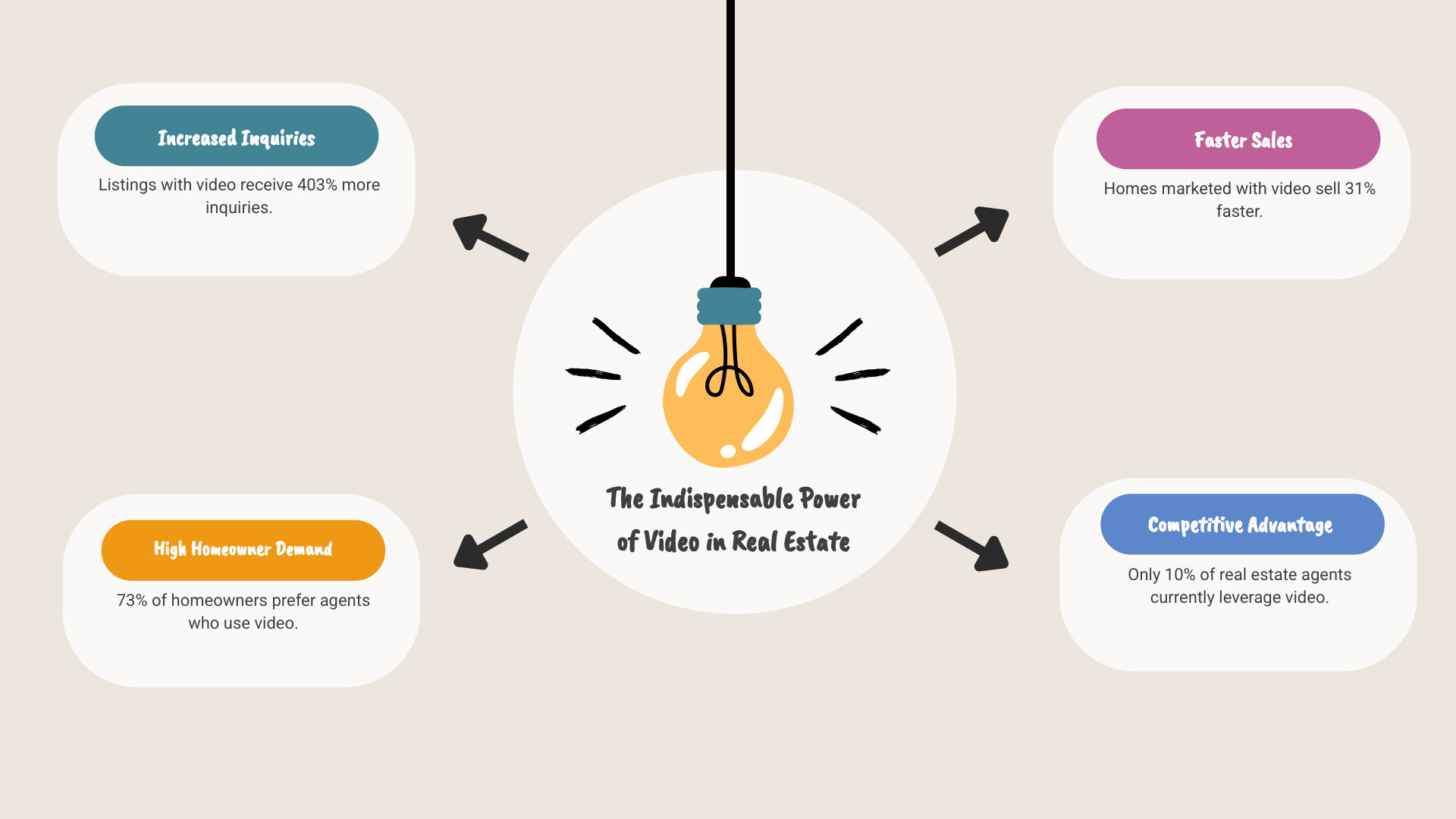
Consider this: 73% of homeowners want to work with realtors who create videos, yet only a small fraction of agents do. This creates a huge opportunity for you to stand out in a crowded market. Video builds trust before you even meet a client, showcases properties in a way photos can’t, and helps listings get significantly more noticed.
This guide will show you how to leverage video to connect with clients, get more inquiries, and sell properties faster.
Explore more about a guide to video marketing for real estate:
Why Video is a Game-Changer for Real Estate Marketing
In today’s fast-moving market, video marketing is how modern real estate professionals thrive. It helps you explain complex topics clearly, answer questions upfront, and build trust before a first meeting. This builds your authority and reputation, leading to a measurable return on investment (ROI) and making video a powerhouse for generating leads.
Data from the National Association of Realtors (NAR) highlights the significant impact of technology on home buyers and sellers, reinforcing that video is a crucial part of today’s market. You can see the latest trends in the 2023 Profile of Home Buyers and Sellers. If you’re serious about building a strong brand, video isn’t just a tool; it’s your secret weapon. Want to learn more? Check out our guide on How to Build a Strong Brand Through Smart Marketing.
The Undeniable Impact on Listings and Sales
The statistics speak for themselves. Listings with videos get a staggering 403% more inquiries than those with only static photos. Homes showcased with video tours also sell up to 31% faster.
Beyond speed, real estate listings with professional video enjoy 118% more engagement. Aerial video, like drone footage, boosts engagement by another 68%, giving buyers a breathtaking bird’s-eye view of the property. This is why 80% of active listing agents now use drone videography.
Video is also a powerful communication tool. People retain 95% of a message from a video compared to just 10% from text. This retention leads to a 139% boost in brand awareness and tangible results, like Zillow’s finding that video tours help listings sell 14% faster. This is what makes a guide to video marketing for real estate so essential.
Gaining a Powerful Competitive Edge
Despite these benefits, a “video gap” exists in the market. While 73% of homeowners are more likely to list with an agent who uses video, only about 10% of agents create videos for their listings.
This gap is your opportunity. By embracing video, you immediately gain a competitive edge and stand out from agents using older marketing methods. Video allows your authentic personality and expertise to shine, building trust and a strong bond before you meet clients face-to-face. As real estate pro Joe Siciliano says, “Authenticity is more important than perfection.” You can share market insights, highlight neighborhoods, and explain the buying process, positioning yourself as the go-to expert clients want to work with.
The Ultimate Guide to Video Marketing for Real Estate: From Concept to Creation

Starting your video marketing journey doesn’t have to be overwhelming. This simple framework will guide you through the process, from the initial idea to the final product. For a broader look at connecting with your audience, explore our guide on Content Marketing for Beginners.
Step 1: Planning Your Video Content with a Clear Goal
A successful video starts with a solid plan.
- Identify Your Audience: Are you targeting first-time buyers, luxury sellers, or investors? Tailor your content to their specific needs and questions.
- Define Your Purpose: Decide if your video’s goal is to educate, showcase a property, build your brand, or generate inquiries. This will shape your content and style.
- Script or Outline: A full script is helpful for beginners to ensure all key points are covered. As you gain confidence, a simple outline may be sufficient.
- Accept Authenticity: Don’t let the fear of imperfection stop you. As Joe Siciliano advises, “Taking action now is more important than waiting for it to be perfect.” Your genuine personality will connect with viewers.
- Plan Your Call to Action (CTA): Clearly tell viewers what you want them to do next, whether it’s visiting your website, calling you, or subscribing to your channel.
Step 2: Producing High-Quality Real Estate Videos
Creating quality videos is about smart choices, not expensive gear.
| Aspect | DIY Approach (Smartphone & Basic Equipment) | Working with Local Creative Professionals |
|---|---|---|
| Cost | Very low (often free if you own a smartphone); accessories like tripods, mics are affordable. Drone footage, once $2,000, is now around $175. | High (hundreds to thousands per project); covers professional equipment, expertise, editing, and specialized services like drone piloting and 3D rendering. |
| Time | Requires significant personal time for planning, shooting, and editing. | Saves your time, allowing you to focus on prospecting and client relations. Professionals handle all aspects of production, from pre-production to post-production. |
| Quality | Decent to good; sufficient for social media and building personal brand; relies on natural light and basic stabilization. | Excellent; professional-grade visuals and audio; expert lighting, composition, drone footage, motion graphics, and advanced editing. Crucial for high-end listings where sellers expect a “beautiful production.” |
| Control | Full creative control; quick turnaround for spontaneous content. | Creative input is shared; relies on clear communication of vision; may involve multiple revisions. |
| Expertise | Learning curve for filming, editing, and storytelling. | Access to experienced videographers, editors, and marketers who understand visual storytelling and real estate nuances. |
| Best For | Agent introductions, testimonials, market updates, quick social media content, and building consistency. | Luxury properties, commercial listings, complex neighborhood tours, brand promotional videos, and when you need highly polished, cinematic results that truly stand out. |
Here are some practical production tips:
- Use Your Smartphone: Modern phones are powerful tools. Pair yours with a tripod for stability.
- Prioritize Audio: Invest in an external microphone. Viewers are less forgiving of bad audio than shaky video.
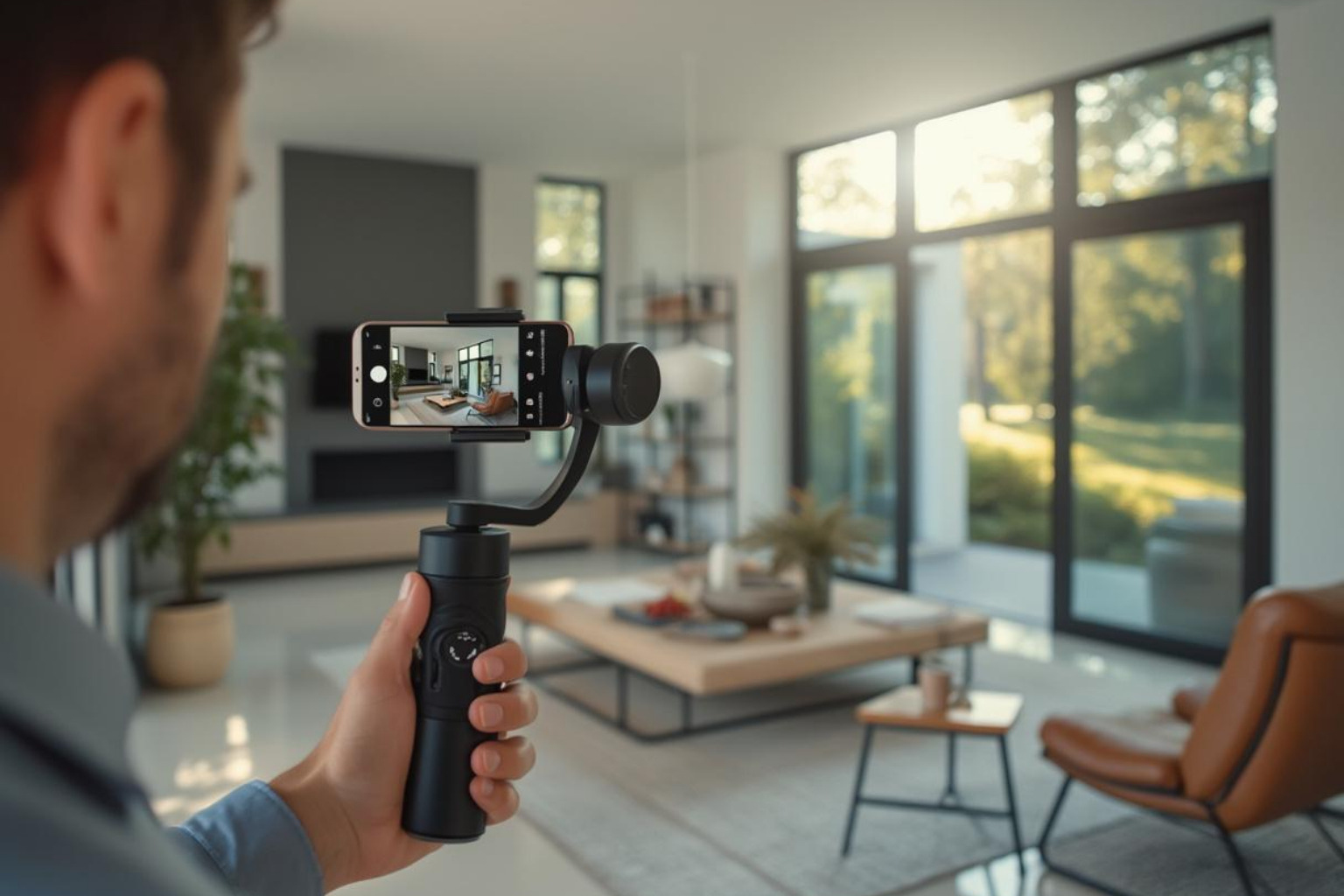
- Consider Advanced Tools: A gimbal creates smooth, cinematic shots, and a wide-angle lens makes rooms feel larger.
- Use Natural Light: Shoot during the day and face a window for soft, even lighting. Avoid harsh, direct light.
- Practice Smooth Movement: Use slow, deliberate camera movements to glide through a space.
Step 3: Overcoming Common Video Marketing Problems
- Camera Shyness: Practice by sending short, personalized videos to people you know. Focus on being authentic, not perfect.
- Time Constraints: Consistency is more important than quantity. Start with one or two videos a week, or even short, daily personal videos to five contacts.
- Budget Concerns: Start with your smartphone and free editing apps. Invest in better equipment only as your needs and budget grow.
- Technical Overwhelm: Focus on the basic framework: plan, shoot, edit, share. Use user-friendly tools like Animoto or BIGVU to simplify editing.
- Consistency Challenges: Commit to a realistic schedule and stick to it. Your audience will come to rely on your content.
- Finding Content Ideas: Don’t worry, the next section is packed with ideas to get you started.
10 Effective Real Estate Video Ideas to Generate Leads
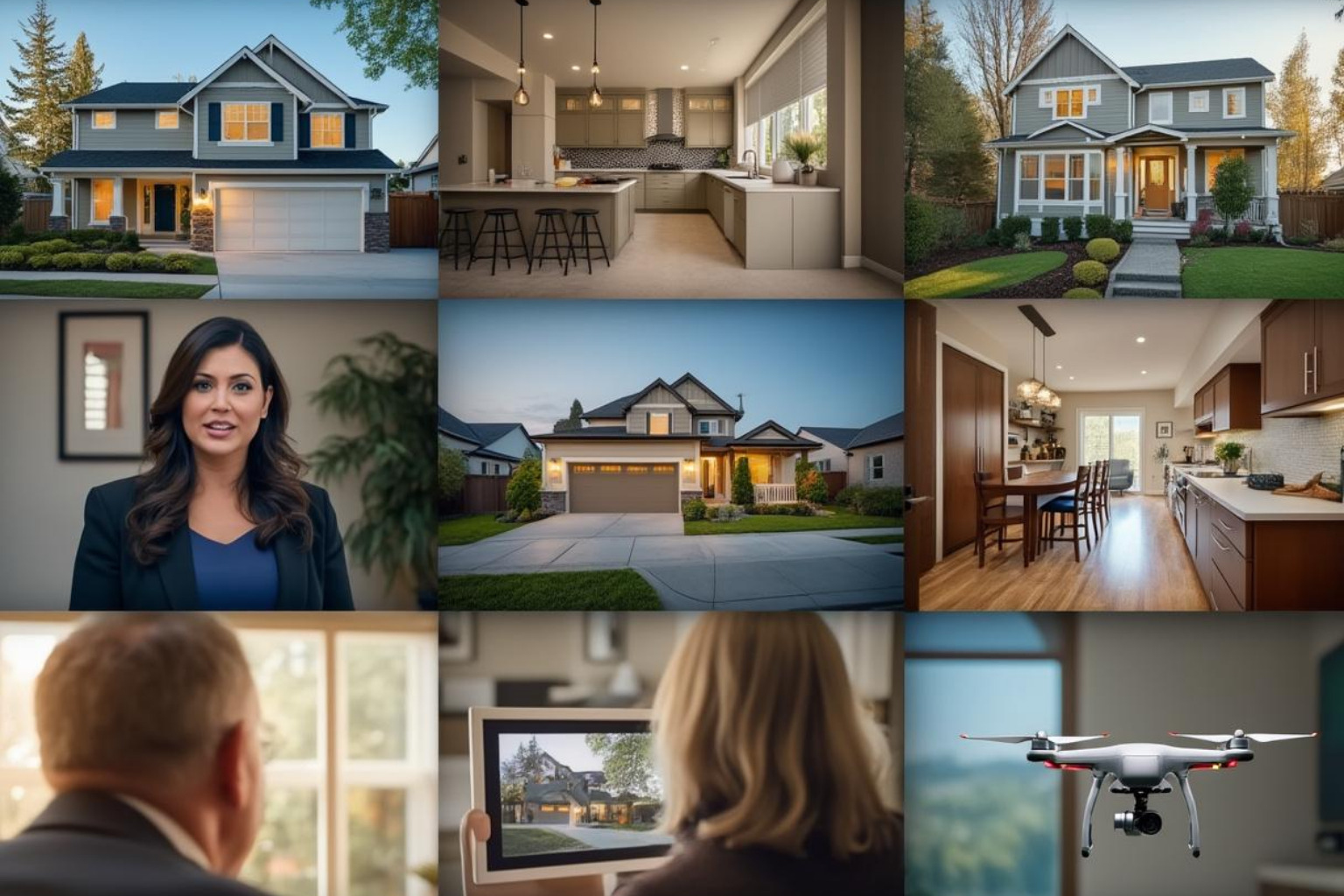
Now, let’s dive into video content that resonates with your audience and generates leads. The goal is to provide value, engage viewers, and position yourself as the local market expert. If you’re also considering real estate investments, understanding a guide to real estate investing is invaluable. Learn more at A Guide to Real Estate Investing.
A comprehensive guide to video marketing for real estate content
Here are 10 video ideas to get you noticed:
- Property Listing Tours: Offer immersive virtual tours or detailed walkthroughs to bring a home to life and showcase features photos can’t capture.
- Neighborhood/Community Guides: Showcase local parks, schools, and businesses to help buyers envision their life in the area.
- Agent Introduction Video: Share your background and philosophy in a concise (30-60 second) video to build a personal connection.
- Client Testimonials: Let satisfied clients share their positive experiences on camera to build powerful social proof.
- Educational “How-To” Videos: Share your expertise on topics like home prep or mortgage rates to establish yourself as a trusted resource.
- Market Update Reports: Share local housing trends and sales data to demonstrate your deep market knowledge.
- Live Q&A Sessions: Use platforms like Facebook or Instagram Live to answer questions in real-time and foster direct engagement.
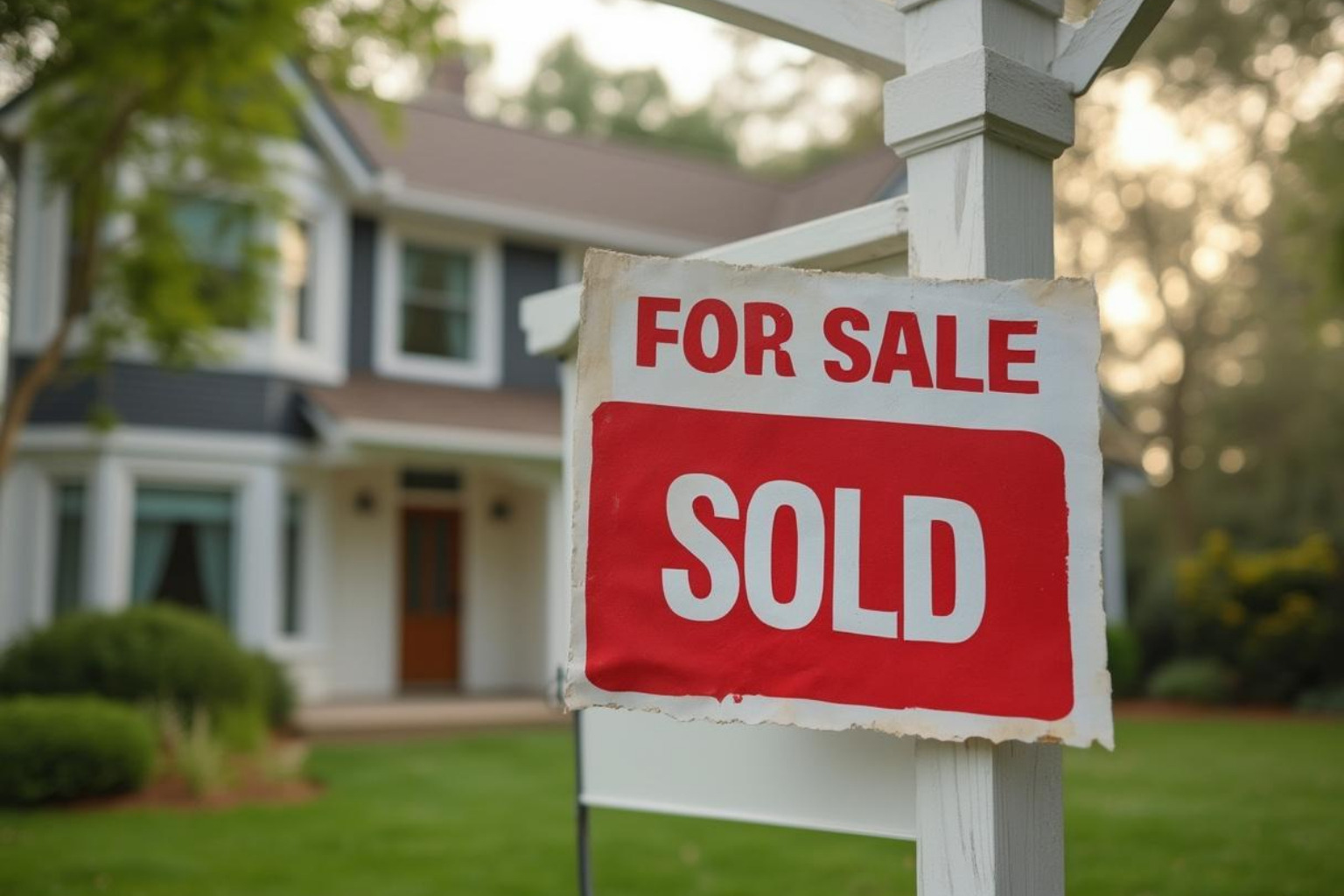
- “Just Sold” Showcase Videos: Briefly highlight recently sold properties to build credibility and remind viewers of your effectiveness.
- Behind-the-Scenes Content: Share snippets of your day or team culture to humanize your brand and seem more approachable.
- Virtual Staging Videos: Use AI or 3D modeling to digitally furnish vacant properties, helping buyers visualize the home’s potential.
A beginner’s guide to video marketing for real estate formats
Understanding the right format is as important as the content itself:
- Short-form video: Use Reels, TikToks, and YouTube Shorts (under 60 seconds) for property highlights, quick tips, and behind-the-scenes content. They are highly engaging on mobile.
- Long-form video: Use YouTube for detailed property tours, in-depth educational content, and market analyses. A good length is often 6-8 minutes, but comprehensive content can perform well even longer.
- Live video: Use Facebook Live and Instagram Live for virtual open houses and Q&A sessions. Live video drives significantly more engagement and allows for direct interaction.
- Evergreen content: Create videos on timeless topics like “How to buy your first home” that will remain relevant and generate leads for years.
Tools and Platforms to Power Your Video Strategy
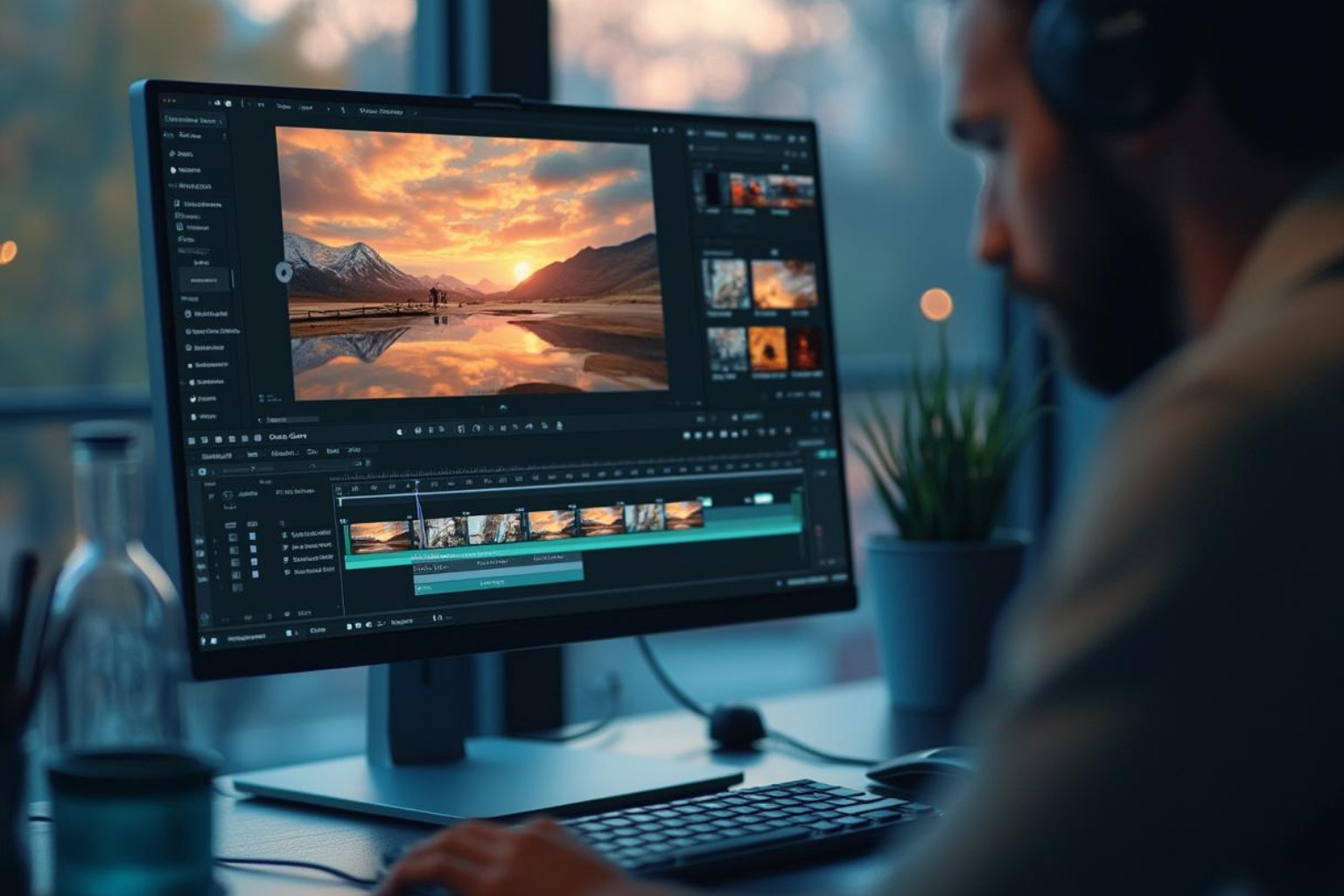
You have your ideas, but what about the gear and distribution? Creating high-quality real estate videos doesn’t require a Hollywood budget. With the right tools and platforms, you can produce compelling content that resonates with your audience. For a broader look at helpful resources, explore our Tech Tools for Small Businesses.
Essential Tools for Video Creation and Editing
- Smartphone: Your primary tool. Modern phones shoot incredible 4K video, making them perfect for real estate content.
- Stabilizer (Gimbal): Invaluable for achieving smooth, professional-looking shots and eliminating shakiness during property tours.
- Wide-Angle Lenses: Clip-on lenses help you capture more of a room, making spaces appear larger and more inviting.
- Microphones: A non-negotiable for clear audio. A simple lavalier (lapel) mic will drastically improve your sound quality.
- Video Editing Software: Start with free options like DaVinci Resolve or user-friendly web-based tools like Animoto. For more control, consider paid industry standards like Adobe Premiere Pro or Final Cut Pro.
- AI-Powered Tools: Save time with AI features that auto-generate captions, help write scripts, or create visuals. Platforms like BIGVU integrate these smart features.
- Royalty-Free Music: Use sites like Epidemic Sound, Artlist, or YouTube’s Audio Library to find soundtracks without risking copyright issues.
For more budget-friendly options, check out our list of Top Free Tools You Need for Content Creation.
Top Platforms for Hosting and Sharing Your Videos
- YouTube: Your video search engine. Ideal for longer content like full property tours and educational videos. Optimize your channel and descriptions for SEO.
- Facebook: Great for building community and engaging local audiences. Its targeting tools are excellent for paid ads, and live videos boost engagement.
- Instagram: A visual-first platform perfect for beautiful properties. Use Reels for short highlights, Stories for quick updates, and regular posts for longer videos.
- TikTok: Reach a younger, highly engaged audience with creative, short-form content like property highlights and quick tips.
- LinkedIn: Best for professional branding. Share market analyses and success stories to attract luxury clients and build your professional reputation.
- Your Website: Make your site the central hub for all your video content. Embedding videos boosts visitor “dwell time” and improves your site’s SEO.
Promoting Your Videos for Maximum Reach and Engagement
Creating a great video is only half the battle. To generate leads, you need a smart promotion plan to ensure your content reaches the right audience. Think of it like a beautifully staged home—it won’t sell if no one knows it’s there. For a deeper dive into overall marketing, check out our guide on Digital Marketing for Startups.
Optimizing Your Videos for Search Engines (Video SEO)
Video SEO helps search engines understand and rank your content.
- Keywords: Research what potential clients are searching for (e.g., “homes for sale in [your city]”) and build content around those terms.
- Titles & Descriptions: Use keywords in your catchy titles and write detailed descriptions that summarize the video and include links to your website and social profiles.
- Tags & Hashtags: Use a mix of broad and specific tags to help platforms categorize your video and show it to interested viewers.
- Thumbnails: Create a high-quality, visually appealing custom thumbnail that entices viewers to click.
- Transcripts & Captions: Add captions for viewers who watch with the sound off. Search engines can also “read” transcripts, which boosts SEO.
- Geotagging: For a local SEO edge, geotag your videos with the property’s coordinates.
Creating a Multi-Channel Promotion Plan
Maximize your reach with a smart, multi-channel plan.
- Native Uploads: Upload videos directly to each social platform (Facebook, Instagram, etc.) instead of sharing a link. Platforms favor native content.
- Website & Blog: Embed videos on your website to keep visitors on your site longer, which is great for SEO.
- Email Campaigns: Include videos in your newsletters. Adding “video” to a subject line can boost open rates by 19% and click-through rates by up to 300%.
- Paid Social Ads: Use the precise targeting on platforms like Facebook and Instagram to show your videos to specific demographics in your area.
- Cross-Promotion: Partner with local businesses like interior designers or coffee shops to share each other’s content and tap into new audiences.
- 30-Day Plan: Create a promotional schedule for each video. Share it on social media in week one, email it in week two, and text it to past leads in week three to maximize exposure.
Frequently Asked Questions about Real Estate Video Marketing
We understand you might have some lingering questions about diving into a guide to video marketing for real estate. Let’s tackle some common questions.
How effective is video marketing in real estate?
It is extremely effective. The data shows that listings with video receive 403% more inquiries and sell up to 31% faster. Video also boosts brand awareness by 139% and generates 118% more engagement on listings. Critically, 73% of homeowners are more likely to list with an agent who uses video, giving you a significant competitive advantage.
How long should a real estate video be?
The ideal length depends on the platform and purpose:
- Social Media (Reels, TikTok, Shorts): Keep it short and engaging, ideally under 60 seconds.
- YouTube (Property Tours, Educational Content): Aim for 6-8 minutes to provide detail without losing viewer attention.
- Live Video (Q&As, Virtual Open Houses): These can be longer, as the value is in real-time interaction.
The golden rule: make your video only as long as it needs to be to deliver value effectively.
How much does real estate video marketing cost?
The cost is scalable. You can start for nearly free using your smartphone and free editing apps. A mid-range investment might include a gimbal for stability, an external microphone for clear audio, and user-friendly editing software, costing a few hundred dollars. For high-end listings, hiring a professional videographer can range from a few hundred to over $2,000, but it saves you time and delivers a cinematic final product.
Conclusion
It’s clear that video is no longer an optional extra in real estate—it’s a necessity. The numbers prove it: video boosts inquiries, accelerates sales, builds trust, and establishes you as a market leader.
The significant gap between homeowner demand for video and low agent adoption is your golden ticket. This is your moment to stand out and connect with your audience in a way static photos never could. By following the framework in this guide to video marketing for real estate, you are equipped to build a stronger brand and close more deals.
Here at The Entrepreneurs, we are dedicated to providing the resources you need to seize these opportunities. Ready to keep growing? Explore our complete resource guides and let’s continue building your business, one great video at a time.